
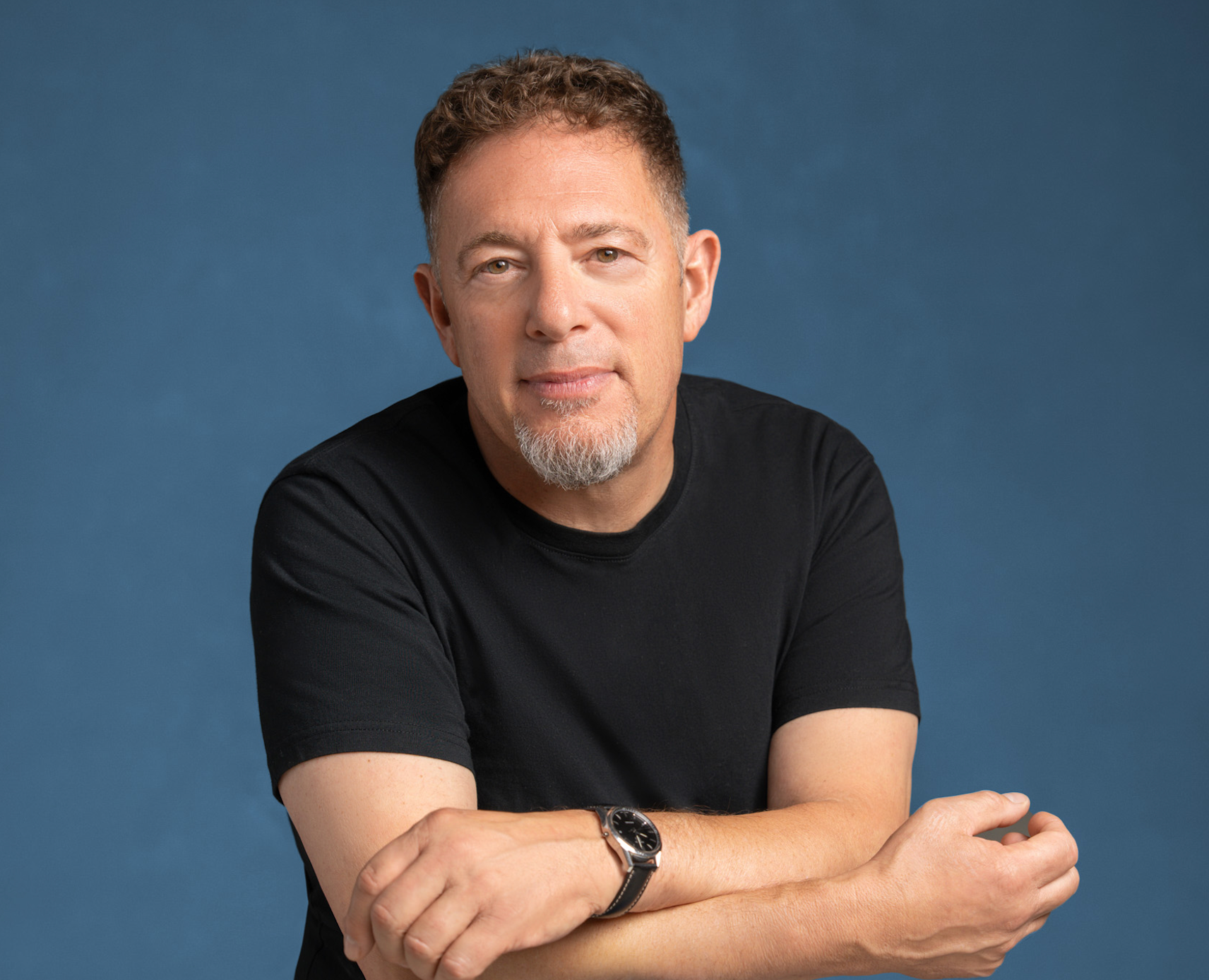
Daniel Lieberman · Founder, Valuable Leadership®

I know what it means to be the person responsible.

Before I became a coach, I was a P&L operator accountable for people, performance, and results.

I began my career as a Starbucks barista and became a chief executive in less than ten years. Along the way, I led teams, transformations, and integrations, and managed a $500 million budget.

At Pike Place Market, I turned around the financial health and organizational culture of its management organization. In my WA State position, I improved operational efficiency and reduced the agency’s budget for the first time in decades.

Those experiences shaped how I advise leaders now. A sound decision has to account for the numbers, the people doing the work, and what happens after the decision is made.

Daniel Lieberman
10,000+ hours of executive coaching and advisory work
Hundreds of individual leaders coached, alongside dozens of teams
4.8 / 5 client satisfaction rating

The human dimension of leadership

The role asks a lot of the person.

As responsibility grows, so does the distance between what people expect you to know and what you can actually be certain of.

You still have to decide. People watch how you respond. A conversation you barely remember can stay with someone for weeks. Your impatience, confidence, or hesitation can change what others are willing to tell you.

How do you stay open to information you do not want to hear? Recognize when pressure is narrowing your judgment? Ask more of people while preserving their trust?

These questions become practical very quickly when there is a real decision on the table.

Why leadership matters to me

I didn’t always believe in leadership.

I thought bosses were fat cats in empty suits.

When I joined Starbucks as a barista in 1990, I was having fun. When I was offered a promotion into management, I thought about two things: I liked the work, and I’d earn more money.

I was in.

What I hadn’t considered was how much a manager could change someone’s experience of work.

Then I met L’il Ronald.

He was 18, raising twin daughters with his girlfriend, and working behind bulletproof glass at a convenience store on Chicago’s South Side. He wanted more for himself and his family.

I invited him to meet me for coffee at Starbucks. A few weeks later, he was behind the counter in a green apron.

He loved the work. People loved working with him. He was earning almost twice as much, and his daughters had health insurance. Within a few months, he earned a promotion to shift supervisor.

We kept meeting to talk about work, life, and family. He would thank me, and I would tell him how much I was learning from him. The appreciation was mutual.

I had assumed authority would make me someone I didn’t want to become. Here was an opportunity to use it in a way I could be proud of.

He married his girlfriend and moved out of public housing.

L’il Ronald did the work. Knowing him changed how I understood mine.

He taught me that leadership can be invaluable.

What it’s like to work with me

Bring the unfinished thought.

The frustration you’re reluctant to admit. The decision you keep revisiting. The conversation you know you need to have.

We’ll give it a careful look.

I listen closely, ask direct questions, and offer my perspective. I’ll challenge an assumption when I think it is limiting you. I’ll also help you examine your part in a situation without losing sight of the people and pressures around you.

Our conversations stay connected to what you need to do: make a decision, address a strained relationship, lead a team through uncertainty, or step into a role that asks something different of you.

I want you to leave with a clearer view of the situation and more choice in how you respond.

Explore the ways we can work together →

Background and perspective

A background that shapes how I see.

Art, service, business leadership, and behavioral science have each given me a different way to understand people and the organizations they create.

I bring that range to the work, along with respect for how difficult leadership can be—even for people who are very good at it.

  • Arts Bachelor of Fine Arts, San Francisco Art Institute
  • Behavioral science Master’s in applied behavioral science, focused on leadership, coaching, and consulting
  • Coaching Professional Certified Coach, International Coaching Federation; more than 1,000 hours of coach training
  • Service U.S. Coast Guard veteran

The thinking behind my work

Leadership asks us to develop the person carrying the responsibility.

My experience as an operator and advisor keeps bringing me back to the same question: how do we help people stay steady, understand one another, and exercise sound judgment when the stakes rise?

The philosophy

Humanship™

Humanship begins with the person doing the leading. How we handle pressure, relate to others, and use our authority shapes what becomes possible—for the work and for the people doing it.

The practice

BE. SEE. LEAD.™

Get steady. See clearly. Make the next right move. A simple sequence to return to when a decision, conversation, or conflict asks more of you.

The methodology

The BEACON Effect™

Six human capacities support that practice: Balance, Engage, Adapt, Commune, Orient, and Navigate. We develop them through real leadership situations, so sound judgment remains available under pressure.

What deserves your attention right now?

If you’re facing a difficult decision, taking on greater responsibility, or leading a team through a demanding stretch, let’s talk.

Let’s Talk

A confidential 45-minute conversation about what you’re facing and whether working together makes sense.