
The board is entering a new chapter.
A new chair, new CEO, strategic shift, merger, period of growth, or crisis has changed what governance now requires.
Board Effectiveness
Governance & Board Development
Accomplished people do not automatically become an effective board.
I help boards strengthen candor, clarify roles, improve consequential decisions, and build a more effective partnership with the chief executive.
Let’s TalkA confidential conversation about what your board is facing and whether I can help.
Nearly 100 boards worked with
Consultant, board member, and executive perspective
15+ years advising senior leaders
The real work of governance
A board must see the whole institution, challenge without taking over, support without becoming passive, and make decisions whose consequences other people will carry.
That gets harder when trust is thin, roles are blurred, or the organization enters unfamiliar territory. Meetings may remain courteous while the real conversation moves into hallways, side calls, and executive sessions.
The problem is rarely a lack of intelligence. It is whether the board can put its intelligence to work together.
When this work helps
A new chair, new CEO, strategic shift, merger, period of growth, or crisis has changed what governance now requires.
The line between governance and management is being crossed, defended, or interpreted differently by different people.
Board members are careful about what they say. Conflict moves underground, and consensus may be more apparent than real.
The board is functioning, but it wants to know where it is strong, where it is getting in its own way, and what would make it more useful.
The engagement at a glance
Built around the governance question, transition, or tension the board is actually facing.
Individual interviews, targeted assessment, document review, and stakeholder perspectives as appropriate.
A facilitated conversation that helps the board make sense of what the evidence is showing and work through what matters.
Clear priorities, agreements, ownership, and support to help new practices hold.
The work may be a focused retreat, a board effectiveness review, or a longer advisory engagement. We determine the right structure after the initial conversation.
How we work
We clarify what the board needs to understand or improve, what success would look like, and who must be involved.
I listen across the board and, when useful, to the CEO and selected stakeholders. We combine confidential perspectives with relevant documents, assessment data, and observation.
I synthesize what is happening beneath the individual comments: where perspectives converge, where they differ, and what the board may be reluctant to see.
The board has the conversation the evidence requires. We clarify roles, address tensions, strengthen decisions, and agree on what will change.
We translate insight into governance practices, meeting norms, priorities, and accountability. Follow-through is built into the engagement, not left to good intentions.
The work may include
Explore CEO Evaluation
Assessment serves the conversation
A survey can show where people agree. Confidential interviews can reveal why they do not. Observation can show what actually happens when the board is under pressure.
I use the right combination of methods for the question at hand. The point is not to produce a thicker report. It is to help the board see itself accurately enough to act.
Director, CEO, and selected stakeholder perspectives.
Charters, policies, agendas, minutes, goals, and prior evaluations.
Board-effectiveness and team-dynamics data when it adds value.
Meetings, retreats, executive sessions, and live decision-making.
What stronger governance makes possible
Experience behind the work
I have worked with nearly 100 boards as a consultant, served as a board member, and reported directly to governing boards as a chief executive and senior leader.
Each vantage point taught me something different: what boards intend, what executives experience, and what becomes possible when both can speak candidly about the institution they serve.
My direct governance experience has been built primarily in nonprofit and public-sector settings, where constituencies are complex, resources are constrained, and decisions carry real consequences for institutions and communities. The human work of governance travels across sectors: role clarity, trust, judgment, accountability, and the ability to face difficult realities together.
I bring expertise in leadership, organizational dynamics, assessment, facilitation, and executive judgment. When an engagement requires legal, regulatory, compensation, securities, or other specialist expertise, I work alongside the board’s established advisors.
About Daniel Lieberman
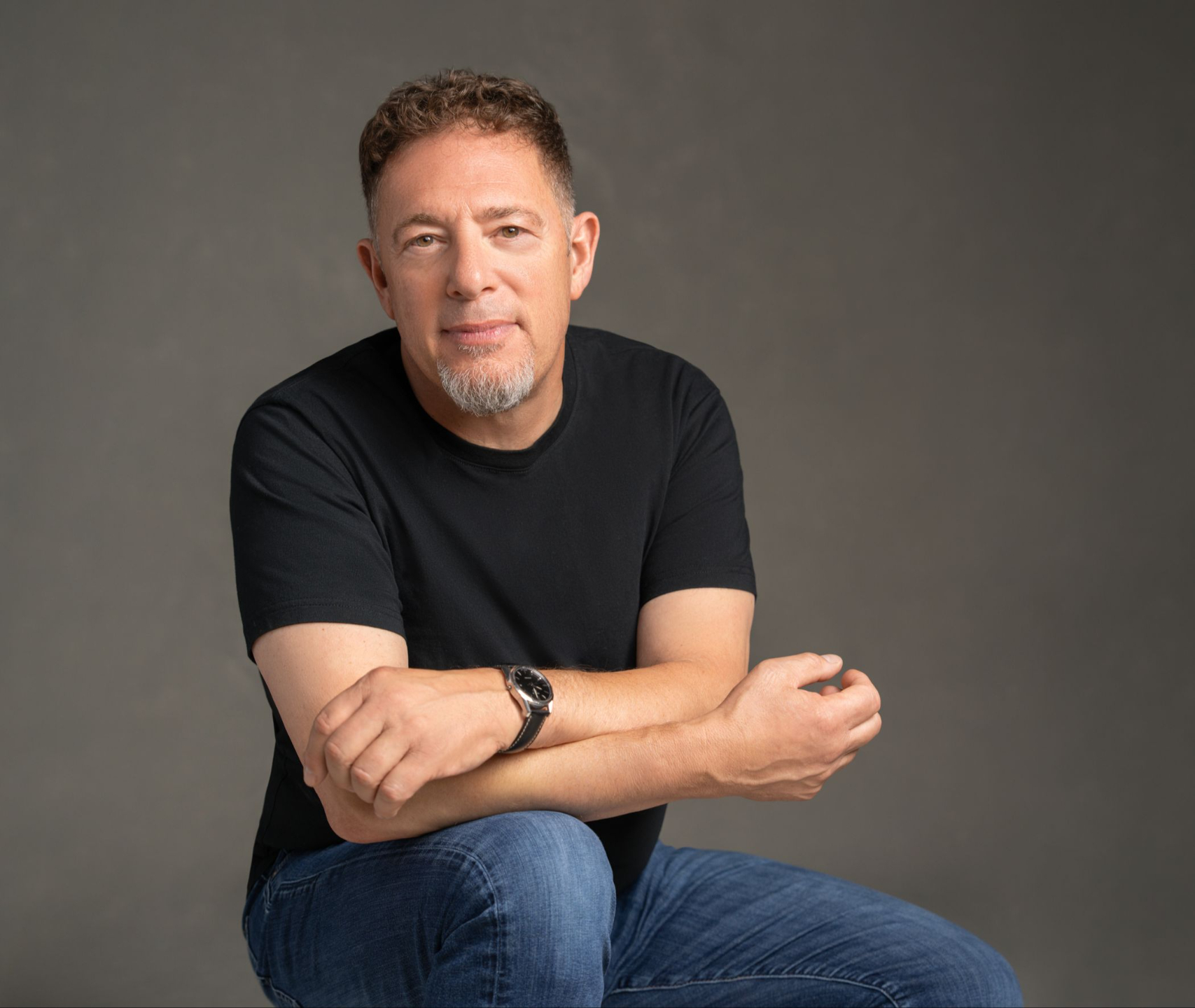
I began my career as a Starbucks barista and became a chief executive in less than ten years. As a P&L operator, I led teams, transformations, and integrations, and managed a $500 million budget.
At Pike Place Market, I turned around the financial health and organizational culture of its management organization. In my Washington State position, I improved operational efficiency and reduced the agency’s budget for the first time in decades.
For more than 15 years since, I have coached and advised senior leaders and teams across complex organizations. I understand the numbers, the human system, and what happens after the board makes a decision.
Let’s talk about the transition, tension, or governance question that deserves a clearer view.
Let’s TalkA confidential conversation about what your board is facing and whether I can help.

Get started today before this once in a lifetime opportunity expires.